
MiamiStudent.com
3.10.15 | Brett Milam
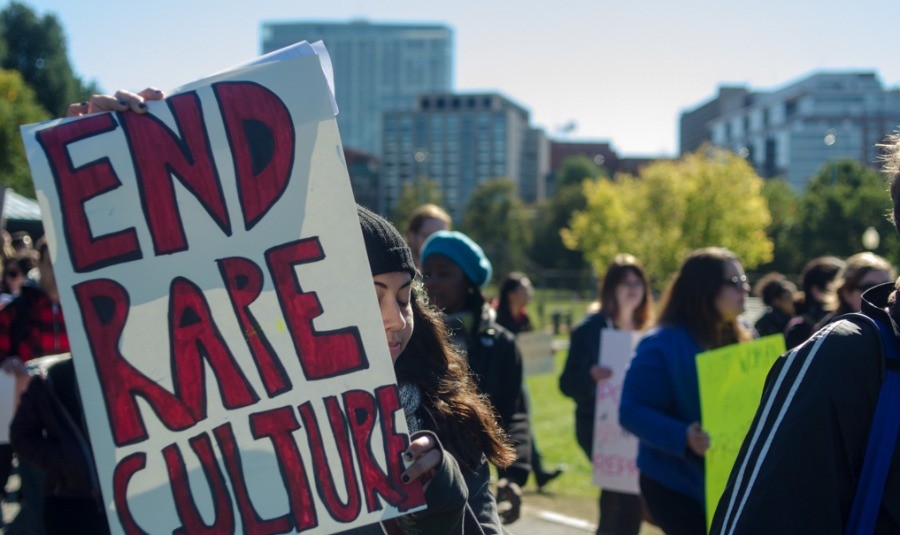
Feminists, despite having the best of intentions, have gone too far in their efforts to respond to sexual assaults on college campuses.
I consider myself a feminist because I believe there are systemic issues at play in our patriarchal society, most salient in rape culture.
Rape culture is evidenced by how much rape goes unreported (68 percent, according to RAINN), with how many college campuses cover up rape for a variety of reasons (94 institutions have pending Title IX investigations from the Department of Education, according to ThinkProgress) and the enormous rape kit backlog (400,000 according to The Daily Beast).
Even with all of that in consideration, feminists are missing the mark by focusing so much on the “college rape crisis.” In other words, white, middle-class feminists are dominating the conversation and because of that, the focus is on college rape.
As point of fact, women who don’t go to college are more likely to be raped than women who do.
Callie Marie Rennison, writing in The New York Times, talks about a study she co-authored with Lynn A. Addington where they examined the Department of Justice’s National Crime Victimization Survey data from 1995 to 2011.
“We found that the estimated rate of sexual assault and rape of female college students, ages 18 to 24, was 6.1 per 1,000 students. This is nothing to be proud of, but it is significantly lower than the rate experienced by women that age who don’t attend college — eight per 1,000,” she said.
Disadvantaged women — that is, women with little money, few resources and little education — are the ones who “bear the brunt of the harshest realities, including sexual violence,” she said.
Rennison cautions against the obvious: nobody is saying ignore sexual violence against the wealthy and the educated, but it’s important to be cognizant of which voices (white, middle-class) are dominating the narrative. To elaborate on the race point, black women are more likely to be raped (18.8 percent compared to 17.7 percent for white women), but black voices and the intersectionality of feminism and race are hardly cornerstones of modern, mainstream feminism.
--------------------------------------------------------------------------------

